
Advancing Rural Mobility Program
Michigan
Information Center
Tech Talks
Tech Talks are monthly informational presentations about technology-related issues, products and services for public transit. Guest speakers share information to help transit agencies statewide learn about and implement innovative practices to improve passenger experience and operational efficiency.
News & Announcements
May 2026
USDOT to Hold Fourth SMART Grantee Summit in July
Mark your calendars! The Strengthening Mobility and Revolutionizing Transportation (SMART) Grants Program is hosting the 2026 SMART Stage 1 Grant Summit at the U.S. Department of Transportation Headquarters in Washington, D.C., on Wednesday, July 15, 2026 from 8:00 am to 4:30 pm.
This year we will have a Poster Session for grantees to showcase their projects in the USDOT’s Atrium. The poster session will be held from 11:30-1:30. Poster Session slots are limited and available on a first-come, first serve basis. If you are interested in providing and staffing a 24’X36’ poster during the session, please contact your Grants Management Specialist by April 30, 2026.
September 2024
MDOT Launches Advancing Rural Mobility Trip Planner to Enhance Transportation Access in Rural Areas
Fast Facts:
- The Advancing Rural Mobility pilot project has launched a new online trip planning tool for four rural public transit agencies and their riders.
- The project is funded through a United States Department of Transportation SMART grant.
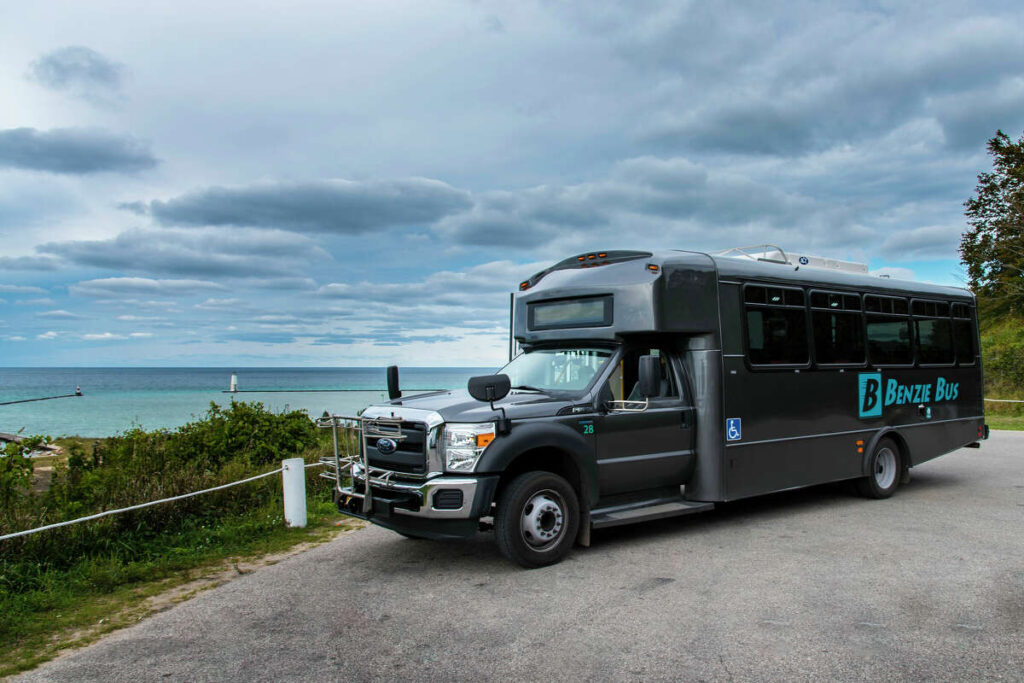
- Participating public transit agencies include Benzie Bus, Cadillac/Wexford Transit Authority, Charlevoix County Transit, and Roscommon County Transportation Authority.
The Advancing Rural Mobility project’s trip planner tool aims to enhance transportation access and efficiencies in rural areas. To meet the unique needs of Michigan’s rural communities, the trip planner utilizes partner transit agencies’ service data to display possible trip-planning options. Transit riders will benefit from increased awareness of available transportation options, helping improve access to essential services, reduce isolation, and ultimately foster greater connectivity and quality of life.
July 3, 2024
New Innovations for Rural Public Transit Agencies Highlighted in Video News Release
LANSING Mich. – Officials from the Michigan Department of Transportation (MDOT), United States Department of Transportation (USDOT) and Charlevoix County Transit (CCT) recently announced a significant leap forward in improving rural mobility through the Advancing Rural Mobility pilot project. This innovative project provides new online tools for both rural public transit agencies and their riders to help plan their trips, find transit services more easily and provide for a better overall travel experience. MDOT’s video news release highlights the project benefits, which were presented at a media event held in Boyne City late last week.
June 2024
Types of Transit Services and Supporting Data Specifications
Rural agencies in Michigan provide an array of demand-response transit services for their communities. The pilot agencies in this project, Benzie Transportation Authority (Benzie Bus), Cadillac/Wexford Transit Authority (WexExpress), Charlevoix County Transit, and Roscommon County Transportation Authority, all provide curb-to-curb demand-response transportation services within their respective areas.
March 29, 2023
Gov. Whitmer Announces Michigan Wins Over $7 Million in Federal Grants to Improve Transportation Efficiency and Safety
LANSING, Mich. – The Michigan Infrastructure Office is proud to announce that the state of Michigan has been awarded over $7 million in the first round of Strengthening Mobility and Revolutionizing Transportation (SMART) grants from the Bipartisan Infrastructure Law (BIL). Michigan had the second-highest number of projects funded, receiving the third most total funding in the nation, surpassed only by California and New York.
Frequently Asked Questions (FAQ)
The Advancing Rural Mobility Program seeks to create open standard data to provide access to reliable public transit information in rural communities, addressing a data gap that creates a barrier to mobility.
The SMART grant program was established to conduct demonstration projects focused on advanced smart city or community technologies and systems that will improve transportation efficiency and safety. The program sought to fund purpose-driven innovation and focused on building data and technology capacity and experience for State, local, and Tribal governments.
Stage 1 of the pilot program is currently active in four Michigan counties: Benzie, Charlevoix, Roscommon, and Wexford. The project team is collaborating with partner agencies and documenting lessons learned from current trip planning processes. A report detailing Stage 1 outcomes will serve as a roadmap for the Stage 2 statewide implementation, outlining necessary steps to integrate transit service information into MDOT’s developing statewide MaaS platform, an outgrowth of MDOT’s Statewide Plan for Rural Public Transit Agencies.
Access to mobility will be improved by enabling the traveling public to make more informed choices about reaching their destinations by providing reliable data about transit services for trip planning tools. Reliable information builds trust with riders and enhances their confidence in the transit system.